Brain Aneurysm Coiling & Flow Diverter Specialist
A brain aneurysm (cerebral aneurysm) is a localized weakness or bulge in the wall of an intracranial artery. If left untreated, an aneurysm can enlarge, press on surrounding brain structures, or rupture—causing catastrophic subarachnoid hemorrhage or hemorrhagic stroke. As a leading Brain Aneurysm Coiling & Flow Diverter Specialist, Dr. Pradyumna Oak delivers expert neurointerventional evaluation and advanced, minimally invasive endovascular treatments for both unruptured and complex or ruptured brain aneurysms.
Utilizing state-of-the-art digital angiography, micro-coiling techniques, and next-generation flow diverter stents, Dr. Oak provides individualized care to safely exclude aneurysms from circulation. This precise approach prevents rupture or re-bleeding, preserves healthy blood vessel pathways, and protects long-term neurological health without open skull surgery.
Understanding Endovascular Coiling & Flow Diverter Therapy
Endovascular neurointervention provides modern, minimal-access alternatives to traditional open brain surgery (craniotomy). Depending on the shape, size, location, and neck geometry of the aneurysm, two primary endovascular techniques are utilized:
- Endovascular Aneurysm Coiling: A microcatheter is navigated through the vascular network from the groin or wrist directly into the aneurysm sac. Ultra-soft platinum micro-coils are deployed to pack the pouch, inducing thrombosis (clot formation) inside the aneurysm to permanently prevent blood flow into the weak area.
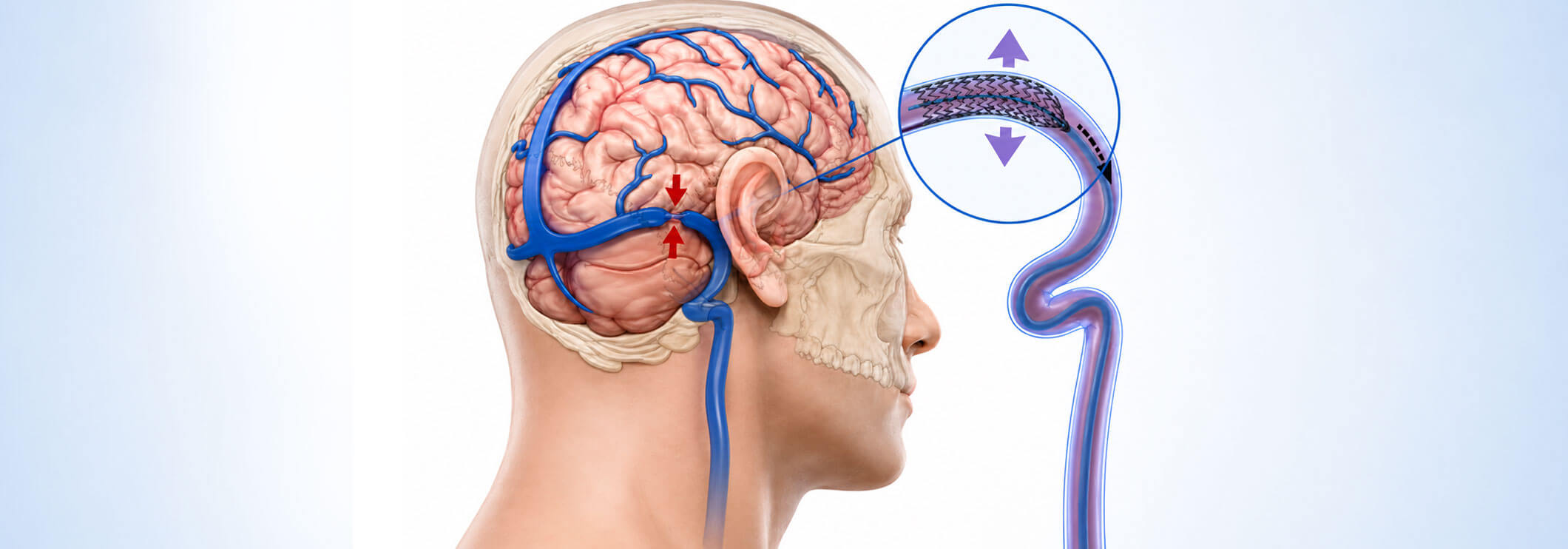
- Flow Diverter Stenting: Designed for wide-necked, large, giant, or uncoilable aneurysms, a flow diverter is a specialized, densely woven mesh stent placed in the parent artery across the aneurysm neck. It redirects blood flow away from the aneurysm sac, promoting natural healing and vessel wall reconstruction over time while maintaining blood flow to critical side branches.
Conditions & Scenarios Evaluated & Treated
Dr. Pradyumna Oak offers comprehensive diagnostic and therapeutic endovascular care across a wide spectrum of vascular conditions:
Unruptured Intracranial Aneurysms
Precise risk stratification, growth monitoring, and elective coiling or flow diversion to eliminate the threat of future rupture.
Ruptured Brain Aneurysms (Subarachnoid Hemorrhage)
Emergency neurointerventional triage, rapid hemodynamic stabilization, and urgent coil embolization to prevent life-threatening re-bleeding.
Wide-Neck & Complex Aneurysms
Advanced vessel reconstruction strategies using stent-assisted coiling, balloon-assisted coiling, or primary flow diverter placement.
Giant & Large Aneurysms (>10 mm)
Targeted flow-diverter construct placement or multi-coil deployment to manage high-mass-effect vascular malformations safely.
Fusiform & Blister Aneurysms
Specialized reconstructive endovascular management for irregular, spindle-shaped, or fragile vessel wall dilations.
Recurrent or Previously Treated Aneurysms
Long-term vascular imaging surveillance and secondary intervention (re-coiling or flow diversion) for aneurysms showing compaction or residual neck regrowth.
Familial Aneurysm Screening
Proactive vascular screening (MRA/CTA) and risk assessment for individuals with a family history of cerebral aneurysms or connective tissue disorders.
Symptoms You Should Never Ignore
While unruptured aneurysms may remain silent or cause mild localized pressure symptoms, a ruptured aneurysm is a life-threatening medical emergency. Seek immediate emergency care if you experience:
- Sudden, excruciatingly severe headache ("thunderclap" headache, often described as the "worst headache of your life")
- Sudden nausea and projective vomiting accompanying a severe headache
- Stiff neck or resistance to neck flexion
- Double vision, blurred vision, or sudden drooping eyelid (ptosis)
- Pain localized behind or above one eye
- Dilated pupil in one eye
- Sudden confusion, altered level of consciousness, or fainting/blackout
- Seizures or localized facial/body weakness
A sudden "thunderclap" headache requires immediate emergency room evaluation to rule out a subarachnoid hemorrhage.
Our Diagnostic & Imaging Protocols
Accurate 3D vascular mapping and morphologic characterization are essential to determine whether coiling, flow diversion, or observation is the safest option:
- Comprehensive Neurological Assessment: Clinical baseline and risk factor evaluation.
- Emergency Non-Contrast Brain CT: Rapid detection of acute intracranial bleeding.
- CT Angiography (CTA): High-speed 3D rendering of cerebral vessel structures.
- High-Resolution Brain MRI & MRA: Non-radiation evaluation of soft tissue and vascular flow patterns.
- Digital Subtraction Angiography (DSA): The definitive gold-standard imaging test to analyze exact aneurysm neck geometry, branching vessels, and parent artery diameter prior to procedure planning.
Personalized Treatment Plans
Every treatment strategy is tailored based on aneurysm size, location, neck-to-dome ratio, rupture status, and patient anatomy:
- Primary Platinum Micro-Coiling: Ideal for narrow-necked saccular aneurysms.
- Stent- or Balloon-Assisted Coiling: Maintains coil stability within wide-necked aneurysms while keeping the main artery clear.
- Flow Diverter Stenting: Advanced endovascular reconstruction for wide-neck, uncoilable, or complex parent-vessel aneurysms.
- Active Surveillance: Routine imaging tracking (MRA/CTA) for small, low-risk unruptured aneurysms.
- Post-Procedure Care & Vasospasm Prevention: Dedicated neuro-ICU monitoring, hemodynamic management, and long-term antiplatelet regimens for stent/flow diverter cases.
Book an Appointment
If you have been diagnosed with an unruptured brain aneurysm, have a family history, or require a expert second opinion from a brain aneurysm coiling and flow diverter specialist, do not delay care. Early diagnosis and timely endovascular planning provide vital protection against future complications.
Schedule your consultation with Dr. Pradyumna Oak today for specialist evaluation and personalized endovascular care.
Frequently Asked Questions (FAQs)
Find answers to common questions about brain aneurysm coiling and flow diverter procedures.